

The introduction of Value Added Tax (VAT) in the United Arab Emirates has transformed how businesses operate across all industries—including the restaurant and food service sector. Since restaurants deal with daily cash flow, high transaction volume, and strict billing compliance, understanding VAT is essential.
This blog explains how VAT affects restaurants in the UAE, what restaurant owners must comply with, and how VAT influences pricing, operations, and profitability.
What Is VAT in the UAE?
VAT is a 5% consumption tax applied to most goods and services in the UAE, including food and beverages served in restaurants, cafés, cafeterias, bakeries, and food delivery services.
The Federal Tax Authority (FTA) requires restaurants that exceed the annual threshold (currently AED 375,000) to register for VAT.
How VAT Impacts Restaurants in the UAE
Below are the key areas where VAT influences restaurant operations:
1. Pricing and Menu Adjustments
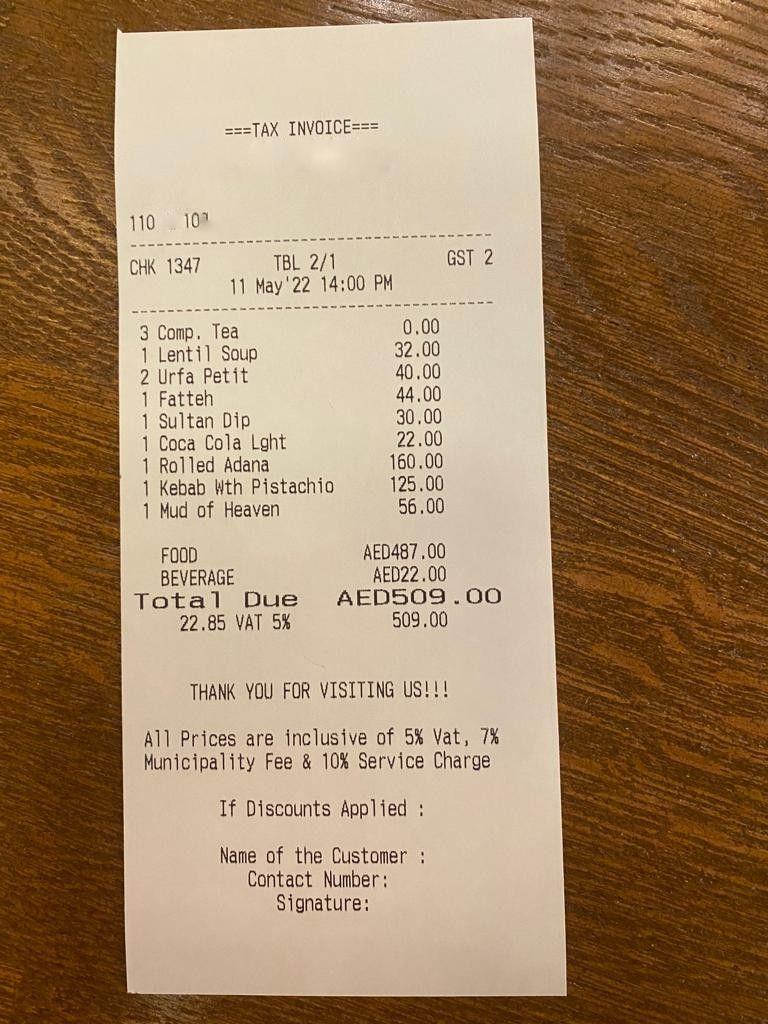
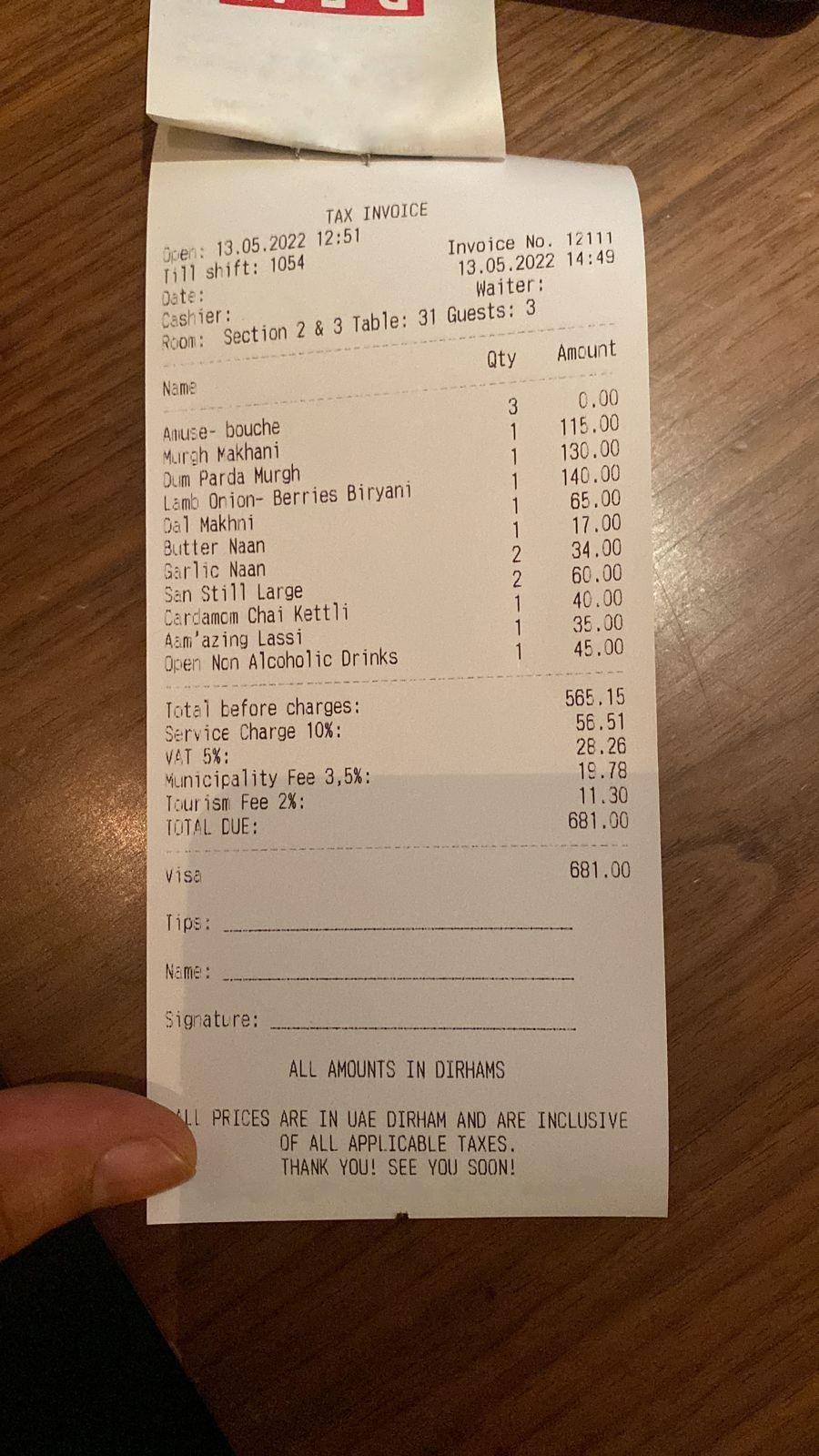
Restaurants need to include 5% VAT in their sale price. This affects:
- Menu pricing
- Billing format
- Customer perception of cost
Most restaurants follow either:
✔️ VAT-inclusive menu pricing (common and customer-friendly)
✔️ VAT-exclusive pricing (VAT added during billing)
Incorrect price display can lead to customer complaints and FTA penalties.
2. VAT on Dine-In, Takeaway, and Delivery
VAT applies to:
- Dine-in meals
- Takeaway orders
- Food delivery services
- Online food aggregators (Talabat, Deliveroo, Zomato, Careem)
Delivery platforms charge VAT on delivery fees as well as commission, which affects the restaurant’s profit margin.
3. Input Tax Credits for Restaurants
Restaurants can claim Input Tax Credit (ITC) on VAT they pay while operating the business.
Restaurants can claim VAT back on:
- Raw materials (vegetables, meat, spices)
- Packaging materials
- Kitchen equipment
- Restaurant furniture
- Cleaning supplies
- Utility bills (water, electricity, gas)
- Food delivery platform fees
- POS systems and software
This helps reduce overall tax burden and improves profitability.
4. VAT on Zero-Rated and Exempt Supplies
Most restaurant items are standard-rated (5%), but some cases differ:
- Exported catering services → Zero-rated
- Free complimentary items → VAT applicable
- Bottled water, soft drinks → Standard-rated
- Discounts/offers → VAT charged on final discounted price
- Service charges → VAT applicable
Restaurants must separate these supplies correctly in their accounting system.
5. Record-Keeping and Billing Compliance
Restaurants must maintain:
- VAT-compliant invoices
- Z-report / POS summary
- Supplier invoices
- Delivery platform statements
- Expense receipts
- End-of-day sales records
Invoices must include:
✔️ TRN (Tax Registration Number)
✔️ VAT amount
✔️ VAT-inclusive total
✔️ Date of supply
Failure to issue VAT-compliant invoices may lead to hefty FTA penalties.
6. VAT Filing and Deadlines
Restaurants must file VAT returns:
- Monthly (for high turnover businesses)
- Quarterly (for most restaurants)
VAT filings include:
- Output tax (sales)
- Input tax (purchases & expenses)
- Payable/refundable VAT
Incorrect or late filing results in:
- AED 1,000 fine (first violation)
- AED 2,000 for repeated filings
- Additional penalties if wrong amounts are reported
How VAT Affects Restaurant Profit Margins
Restaurants operate on tight margins. VAT impacts profitability in several ways:
Increased Operational Costs
Due to VAT on suppliers, utilities, delivery commissions, and rentals.
Pricing Pressure
Restaurants must balance VAT-inclusive pricing with customer affordability.
Cash Flow Challenges
Daily transactions require accurate VAT tracking to avoid overpayment.
Delivery App Commissions
Delivery platforms charge VAT on commissions, increasing costs further.
Proper VAT planning and accounting help restaurants maintain healthy margins.
Benefits of Proper VAT Compliance for Restaurants
✔️ Avoid penalties and fines
✔️ Smooth audit process from FTA
✔️ Better financial transparency
✔️ Accurate cost and profit calculation
✔️ Ability to claim input tax refunds
✔️ Improved brand credibility
Common VAT Mistakes Restaurants Should Avoid
- Displaying prices without VAT clarity
- Not collecting customer TRN for corporate invoices
- Claiming ineligible expenses
- Incorrect tax invoicing
- Not reconciling POS with accounting
- Missing supplier invoices
- Late VAT return filing
- Not separating dine-in and delivery VAT totals
These mistakes can result in costly penalties.
Conclusion
VAT has significantly changed the way restaurants operate in the UAE. From pricing to expenses, input tax claims to compliance, restaurants must stay updated and organized to avoid penalties. While VAT may seem complex, proper planning helps maintain profitability and ensures the restaurant operates smoothly within the legal framework.
